

Sell Your Land Fast for Cash in Cochise County, Arizona
Selling a field near Sierra Vista or a desert parcel farther out? Request a cash offer based on water records, usable acreage, and the interest you can transfer.
- No agent commissions
- Title company closing
- Remote review available
No commission refers to charges from our company. Existing taxes, liens and any seller-allocated settlement costs can still reduce proceeds.
Want to Sell a Cochise County Parcel?
An estate left you agricultural land, but the family has no plan to manage irrigation, leases, or annual assessments.
Compare the current property tax balance with your likely proceeds before another carrying-cost cycle begins.
A broad listing may miss the difference between a serviced homesite and a field with unresolved water documentation.
Distance makes checking fences, tenant arrangements, and mail from the county harder than owning land once seemed.
If you need to sell, tell us about a real deadline so title questions are addressed before a completion date is promised.
Unused acreage still needs decisions about access, weeds, and lease renewals even when nobody plans to build.
Whatever your situation, we make selling simple. Get your cash offer today.
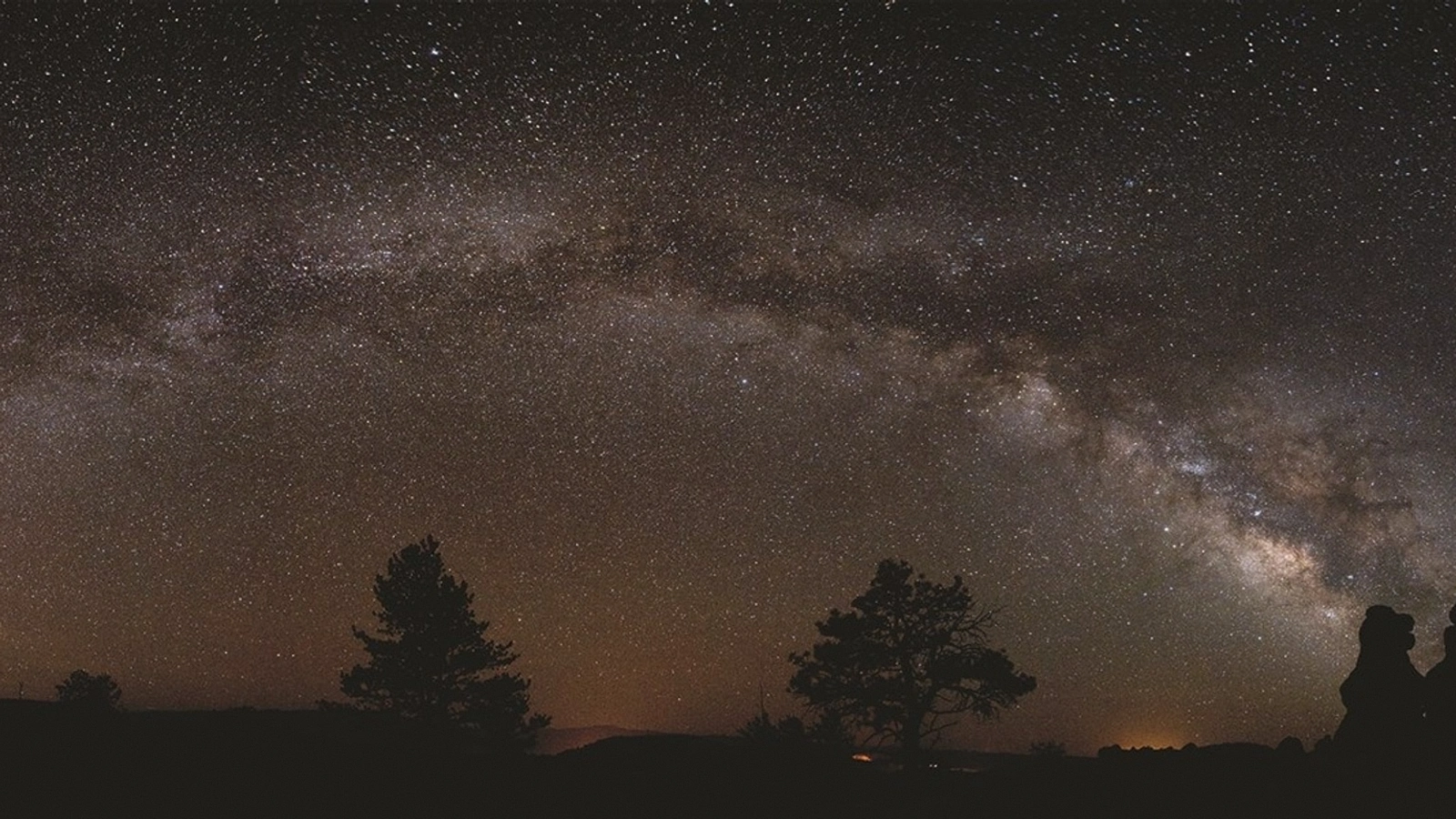
We Buy Vacant Land in Arizona, Including Rural Parcels
 Desert Acreage
Fields and desert tracts need different comparisons. Share irrigation records separately from the acreage shown on your deed.
 Vacant Lots
Selling vacant land near established neighborhoods starts with lot dimensions, setbacks, and service availability, not a nearby house price.
 Rural Access Parcels
For undeveloped land, identify the recorded entrance and any gates or wash crossings along the route.
Our parcel review process for Sierra Vista-Area Parcels
- Tell us about your Cochise County property. Share the county, parcel number if you have it, acreage, access notes, tax status, and any ownership or title details you already know.
- Receive your cash offer. We evaluate the land using parcel facts, access, utilities, taxes, title path, and realistic Arizona land demand before sending written terms.
- Close and get paid. Pick a timeline that works for you. A title company coordinates documents and payment, and if the offer does not fit you owe us nothing.
Selling Cochise County Land: Us vs. a Traditional Realtor
| Sell Land AZ | Traditional Realtor | |
|---|---|---|
| Fair cash offer, no haggling | ✓ | ✗ |
| Zero commissions or agent fees | ✓ | ✗ |
| We coordinate the title-company closing | ✓ | ✗ |
| Buy as-is, no repairs or cleanup | ✓ | ✗ |
| Close in as little as 2 weeks | ✓ | ✗ |
| No showings or open houses | ✓ | ✗ |
| No financing or appraisal contingencies | ✓ | ✗ |
| No lender delays or fall-through risk | ✓ | ✗ |
Discuss Your Parcel and Preferred Timeline
A request is not a commitment. Compare the written price, conditions, and estimated proceeds before deciding.
Get My Free Cash Offer →What Arizona Landowners Say

"I had river-area land that regular buyers kept asking to walk without proof of funds. Sell Land AZ gave me a direct number and worked through title without repeated showings."
$39,600 cash - 16 days to close
"My parcel had old family paperwork and no utilities. They explained what mattered, what did not, and how the title company would move it forward."
$52,800 cash - 20 days to close

"The offer was more than a number. It included the access review, expected title steps, and a closing date I could compare against trying to sell it myself."
$58,100 cash - 21 days to close
Get a Free Offer for Your Cochise County Land
Enter the basics the form asks for - acreage, state, address, and county. We will use those details to start the review and follow up with clear next steps.
Border-county geography changes the review list
Cochise County ranges from Sierra Vista and Bisbee-area neighborhoods to ranch parcels, desert basins, and mountain foothills. A seller should begin with the APN, legal description, tax statement, and current deed instead of relying on a mailing address. Road distance, wash crossings, terrain, and proximity to incorporated areas can affect what a buyer needs to verify. Clear photographs of the route and parcel features make an initial review more accurate.
Military-area and city references do not settle jurisdiction
A parcel described as near Fort Huachuca, Benson, Douglas, or Willcox may still be governed by different county or municipal rules. Confirm the actual jurisdiction, zoning record, and any overlay directly with the appropriate office. Do not turn a nearby landmark into a promise about permitted use, utilities, or development. A good seller packet separates public map context from property-specific documents and leaves technical conclusions to the responsible agency.
Desert drainage and water questions should be documented
In Cochise County, visible arroyos, culverts, wells, storage tanks, and septic systems each raise different questions. Preserve any well registration, septic permit, utility correspondence, survey, or flood-related record you have. A dry wash observed on a visit is not a flood determination, and a neighbor’s service arrangement is not proof of availability. Naming the source of each fact helps a buyer assess the parcel without guesswork.
A clean offer comparison protects the seller
Ask every prospective buyer to put price, deposit, due-diligence period, title requirements, closing deadline, and cost allocation in writing. If the owner is an estate, trust, LLC, or group of relatives, identify signing authority early. Those ownership documents can matter as much as physical land conditions. A direct sale can be straightforward when terms are specific, but no countywide statement can replace reviewing the exact parcel and contract.
Cochise County seller desk checklist
For acreage near the Dragoon Mountains, San Pedro Valley, Chiricahua foothills, or Sulphur Springs Valley, prepare a chronological property history. Put acquisition records first, then tax notices, survey material, road correspondence, and photographs showing the nearest public route. Keep any well log, septic record, or fencing invoice separate from zoning questions. If the property has been used for horses, grazing, storage, or recreation, describe that history as owner experience rather than proof of a permitted use. This lets an interested buyer investigate the right offices without inheriting a confusing pile of claims.
Keep a separate note for mesquite flats, ranch gates, airport noise, border-region travel, livestock fencing, historic mining context, and the difference between a valley view and recorded parcel rights.
Build a Specific Cochise County Parcel File
In Cochise County, a practical review distinguishes a mapped parcel from the road, water, utility, and boundary facts that may affect it. Sellers can save the deed, tax bill, APN, survey if one exists, and recent site photos before comparing offers. Border-area or rural context can affect how a buyer investigates, but it does not replace title or local-agency confirmation. Keeping unknowns explicit helps avoid a rushed agreement built on assumptions about access or improvements. For this Cochise County tract, treat “looking to sell their property” as a question for the written offer. Ask which deed, map, title item, inspection result, or buyer responsibility supports the answer before relying on it. A seller should not let “cash offer for your property” stand in for parcel evidence. Record the source, the date checked, and any remaining condition so the buyer can explain its review in writing. When “sell your arizona land fast” appears in a conversation, connect it to the APN and a specific document. That keeps an area-level idea separate from the condition of this land. Use “determine a fair cash offer” to prompt a practical follow-up: who verifies it, what could change it, and whether the proposed closing date allows that review. Keep the response with the parcel file. The phrase “sell your land in arizona” is useful only when both sides can identify its basis. A clear proposal should state the relevant record and avoid turning an unresolved item into a promise. Before signing, ask how “sell my land fast arizona” affects this particular Cochise County parcel rather than a nearby tract. Written terms should distinguish known facts from items still being checked. Put any discussion of “looking to sell your land” beside the deed, tax notice, and current photographs. That organization gives the seller a more reliable way to compare price, timing, and contingencies.
Start With the Parcel Record
A buyer can address “cash offer for your land” without guessing: identify the record to review, the party responsible, and the consequence if the record differs from expectations. For this Cochise County tract, treat “land by owner in arizona” as a question for the written offer. Ask which deed, map, title item, inspection result, or buyer responsibility supports the answer before relying on it. A seller should not let “buying and selling land” stand in for parcel evidence. Record the source, the date checked, and any remaining condition so the buyer can explain its review in writing. When “sell your land for cash” appears in a conversation, connect it to the APN and a specific document. That keeps an area-level idea separate from the condition of this land. Use “sell your arizona land” to prompt a practical follow-up: who verifies it, what could change it, and whether the proposed closing date allows that review. Keep the response with the parcel file. The phrase “want to sell your land” is useful only when both sides can identify its basis. A clear proposal should state the relevant record and avoid turning an unresolved item into a promise. Before signing, ask how “arizona land for cash” affects this particular Cochise County parcel rather than a nearby tract. Written terms should distinguish known facts from items still being checked. Put any discussion of “sell your vacant land” beside the deed, tax notice, and current photographs. That organization gives the seller a more reliable way to compare price, timing, and contingencies.
Clarify Price and Offer Questions
A buyer can address “give you a cash offer” without guessing: identify the record to review, the party responsible, and the consequence if the record differs from expectations. For this Cochise County tract, treat “cash sales eliminate” as a question for the written offer. Ask which deed, map, title item, inspection result, or buyer responsibility supports the answer before relying on it. A seller should not let “arizona land without” stand in for parcel evidence. Record the source, the date checked, and any remaining condition so the buyer can explain its review in writing. When “land buying company” appears in a conversation, connect it to the APN and a specific document. That keeps an area-level idea separate from the condition of this land. Use “provide cash offers” to prompt a practical follow-up: who verifies it, what could change it, and whether the proposed closing date allows that review. Keep the response with the parcel file. The phrase “price for your land” is useful only when both sides can identify its basis. A clear proposal should state the relevant record and avoid turning an unresolved item into a promise. Before signing, ask how “sell land for cash” affects this particular Cochise County parcel rather than a nearby tract. Written terms should distinguish known facts from items still being checked. Put any discussion of “sell land by owner” beside the deed, tax notice, and current photographs. That organization gives the seller a more reliable way to compare price, timing, and contingencies.
Compare Sale Routes and Timing
A buyer can address “sell arizona land” without guessing: identify the record to review, the party responsible, and the consequence if the record differs from expectations. For this Cochise County tract, treat “property for cash” as a question for the written offer. Ask which deed, map, title item, inspection result, or buyer responsibility supports the answer before relying on it. A seller should not let “cash land buyers” stand in for parcel evidence. Record the source, the date checked, and any remaining condition so the buyer can explain its review in writing. When “arizona property” appears in a conversation, connect it to the APN and a specific document. That keeps an area-level idea separate from the condition of this land. Use “sell vacant land” to prompt a practical follow-up: who verifies it, what could change it, and whether the proposed closing date allows that review. Keep the response with the parcel file. The phrase “selling property” is useful only when both sides can identify its basis. A clear proposal should state the relevant record and avoid turning an unresolved item into a promise. Before signing, ask how “arizona for cash” affects this particular Cochise County parcel rather than a nearby tract. Written terms should distinguish known facts from items still being checked. Put any discussion of “buy arizona land” beside the deed, tax notice, and current photographs. That organization gives the seller a more reliable way to compare price, timing, and contingencies.
Confirm Buyer Review and Closing Terms
A buyer can address “selling process” without guessing: identify the record to review, the party responsible, and the consequence if the record differs from expectations. For this Cochise County tract, treat “land ownership” as a question for the written offer. Ask which deed, map, title item, inspection result, or buyer responsibility supports the answer before relying on it. A seller should not let “across arizona” stand in for parcel evidence. Record the source, the date checked, and any remaining condition so the buyer can explain its review in writing. When “cash for land” appears in a conversation, connect it to the APN and a specific document. That keeps an area-level idea separate from the condition of this land. Use “piece of land” to prompt a practical follow-up: who verifies it, what could change it, and whether the proposed closing date allows that review. Keep the response with the parcel file. The phrase “unwanted land” is useful only when both sides can identify its basis. A clear proposal should state the relevant record and avoid turning an unresolved item into a promise. Before signing, ask how “land directly” affects this particular Cochise County parcel rather than a nearby tract. Written terms should distinguish known facts from items still being checked. Put any discussion of “purchase land” beside the deed, tax notice, and current photographs. That organization gives the seller a more reliable way to compare price, timing, and contingencies.
Keep Unknowns in the File
A buyer can address “sell my land” without guessing: identify the record to review, the party responsible, and the consequence if the record differs from expectations. For this Cochise County tract, treat “land arizona” as a question for the written offer. Ask which deed, map, title item, inspection result, or buyer responsibility supports the answer before relying on it. A seller should not let “land selling” stand in for parcel evidence. Record the source, the date checked, and any remaining condition so the buyer can explain its review in writing. When “cash buyers” appears in a conversation, connect it to the APN and a specific document. That keeps an area-level idea separate from the condition of this land. Use “land market” to prompt a practical follow-up: who verifies it, what could change it, and whether the proposed closing date allows that review. Keep the response with the parcel file. The phrase “land today” is useful only when both sides can identify its basis. A clear proposal should state the relevant record and avoid turning an unresolved item into a promise. Before signing, ask how “land value” affects this particular Cochise County parcel rather than a nearby tract. Written terms should distinguish known facts from items still being checked. Put any discussion of “land in az” beside the deed, tax notice, and current photographs. That organization gives the seller a more reliable way to compare price, timing, and contingencies.
Make the Final Decision With Written Terms
A buyer can address “land sale” without guessing: identify the record to review, the party responsible, and the consequence if the record differs from expectations. For this Cochise County tract, treat “buy land” as a question for the written offer. Ask which deed, map, title item, inspection result, or buyer responsibility supports the answer before relying on it. A seller should not let “pay cash” stand in for parcel evidence. Record the source, the date checked, and any remaining condition so the buyer can explain its review in writing. When “raw land” appears in a conversation, connect it to the APN and a specific document. That keeps an area-level idea separate from the condition of this land.
Common Cochise County Landowner Questions
Which Cochise County records help start a land review?
Start with the APN, current tax statement, recorded deed, parcel map, and any known access or utility notes. Those documents give a buyer and title company a shared starting point.
Can a direct offer account for access or title questions?
Often it can, but the written terms should identify what still needs verification. Easements, ownership authority, taxes, and inspection rights should be discussed before a closing date is promised.
What should an out-of-area owner send first?
A deed copy, tax bill, parcel number, photos, mailing address, and notes about the last visit are useful. The seller can label unknown facts instead of guessing about roads, utilities, or boundaries.
How should a seller compare sale options?
Compare the net amount, inspection scope, title process, closing date, and buyer proof in writing. A higher headline price is not always the most dependable route to a completed sale.
Sell Land in Arizona: Cochise County Records
Cochise County Assessor parcel records
Use the APN to locate the assessed parcel and tax map. Assessor entries are a starting point, not proof of market price or a boundary survey.
Arizona title and escrow coordination
Ask the closing office to reconcile recorded owners with estate papers, trust authority, or marital interests before collecting signatures.
Access, zoning, and utility notes
Water documentation, irrigation obligations, legal access, and permitted uses deserve separate checks. A productive neighboring field proves none of these for your parcel.
Recorded deed and tax review
Match the deed description to the contract and obtain current payoff figures. Old tax receipts cannot establish today's balance.
Guides to Selling Land for Cash in Arizona
What to Review Before Selling Land in Cochise County
Cochise County owners weighing zoning and use, mountain view premium, and manufactured home zoning should organize the APN, deed, tax bill, access notes, photos, and ownership names before they sell land. That record packet makes Arizona land easier to compare because a cash offer depends on vacant land condition, road frontage, utility distance, and whether the land in Arizona can transfer cleanly.
When summer access conditions or recorded easement affects the file, say so before a buyer sends final terms. A practical land buyer can then judge land value, explain how the land sale will be reviewed, and help the seller decide whether to sell land in Arizona now or keep gathering records.
Cash Offer Review and Seller Timing in Cochise County
Cochise County sellers comparing old survey corner, state trust land boundary, and soil suitability should ask how the price was built, whether the buyer is a cash buyer, and what proof supports the offer for your land. If the goal is to sell your land fast or sell land fast with less uncertainty, the written timeline matters as much as the headline number.
A direct land for cash route can make sense when arroyo buffer note or ridge bench turns a long listing into another year of carrying costs. The right way to sell balances net proceeds, privacy, closing certainty, and the seller's preferred date instead of forcing every owner into the same real estate agent process.
Title, Property Tax, and Access Records for Cochise County
Cochise County files involving saguaro buffer note, county-maintained frontage, or drainage notation need a title-company path before anyone promises a closing date. Property tax balances, signer authority, deed history, and access evidence can decide whether a cash land buyer can move quickly or needs more land transactions review.
For this county record, buying and selling should stay tied to documents rather than assumptions from a map search. We review remote notary closing, drainage swale, and growth corridor edge so a seller who says sell my land understands what still needs to be verified before funds are released.
Local Land Market and Closing Fit in Cochise County
The land market near Cochise County changes with access, utilities, terrain, nearby demand, and local buyer depth. A land buying team may be ready to buy your land, but a fair cash offer should still explain how Arizona land market facts, inspection rights, title timing, and closing costs affect the net result.
If you want to sell your Arizona land, are ready to sell your Arizona parcel, or simply want to compare options, ask for written terms before signing. A good process to sell your land in Arizona connects the cash offer, buyer proof, documents, and closing steps so the final decision is based on facts instead of pressure.